A 27-Year-Old Died After an NAD+ IV in the Bronx. Here's Why We Will Never Certify That Infusion.
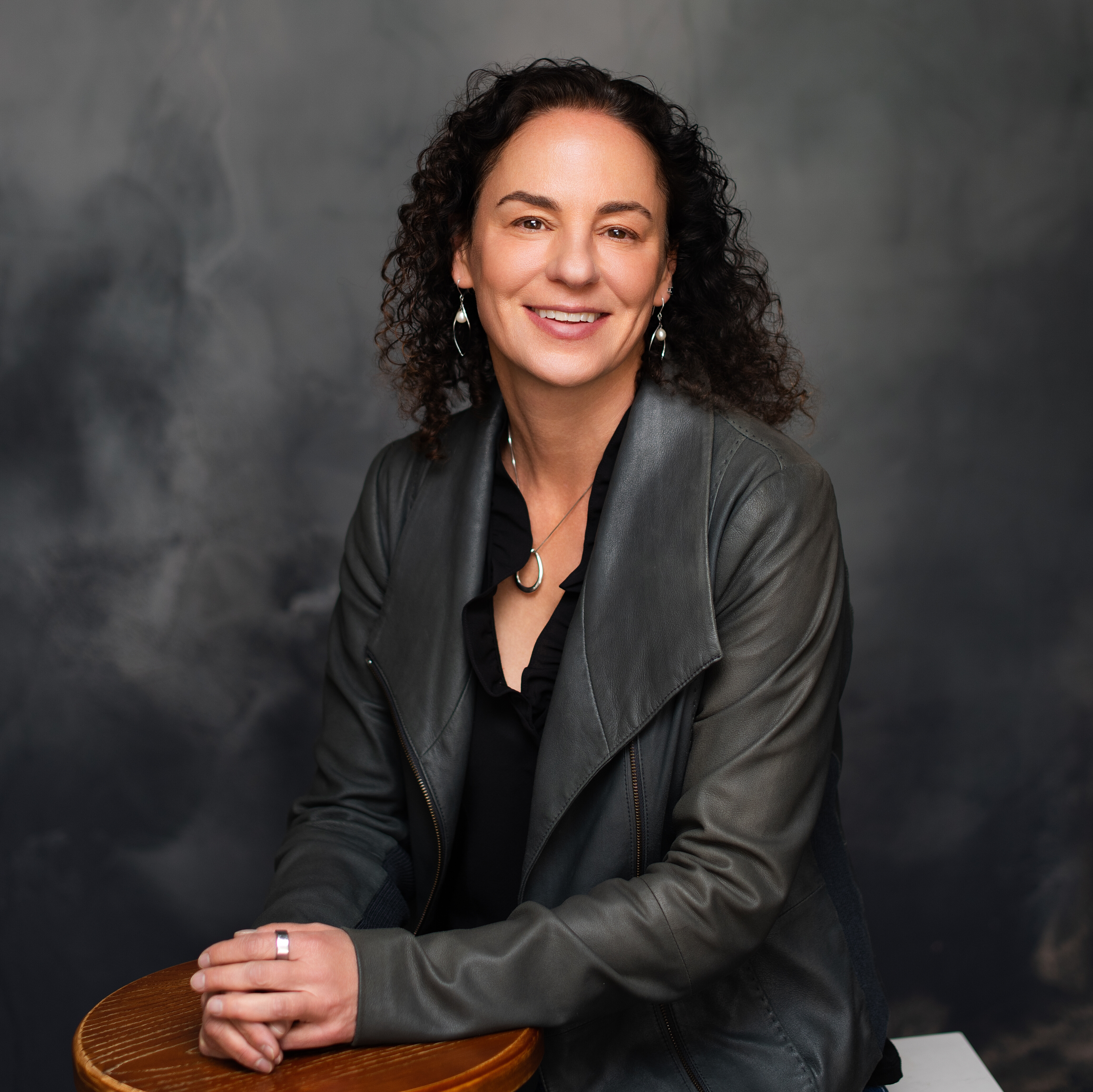
By Kate Dee, MD — Founder, Glow Medispa | Author, Med Spa Mayhem
Elizabeth Baron was 27 years old. On July 19, 2026, she went to the Bereshit Lifestyle Center in the Riverdale section of the Bronx for what she was told was an anti-aging, energy-boosting IV infusion of NAD+. Within minutes of the infusion starting, she lost consciousness and went into cardiac arrest. Paramedics rushed her to NewYork-Presbyterian Allen Hospital, where she was pronounced dead. The man running the facility, Luis Rojas Cabrera, held a naturopathic license — not a medical license — in the Dominican Republic. He held no license to practice medicine anywhere in the United States, including New York. He has since been arrested and charged with unauthorized practice of a profession and reckless endangerment, and the medical examiner is still completing toxicology testing to determine cause of death.
I did not need Elizabeth Baron's death to tell me NAD+ IV infusions do not belong in an outpatient med spa or wellness clinic. Medspa Board's IV Infusion Therapy Standard has prohibited NAD IV infusions — including compounded NAD+ — since the day we wrote it. We will not certify a spa that offers this infusion. But her death is exactly the kind of case that should make every practice currently offering NAD+, and every patient considering it, understand why that line exists in the first place. This is not a marketing dispute or a competitive edge we're trying to protect. It's a molecule that was never built to be infused, sold by an industry that has outrun both the science behind it and the safety net underneath it.
What happened in Riverdale
What's publicly known so far is narrow but telling. Bereshit Lifestyle Center was not a licensed medical facility. Rojas Cabrera was not a licensed clinician in New York, or anywhere in the United States. There is no indication, from what has been reported, that Baron received the kind of intake a real IV therapy standard requires: a documented medical history, a good faith exam performed by a physician, nurse practitioner, or PA, a treatment-specific informed consent, or ongoing in-person monitoring by trained staff. There is no indication an emergency response protocol existed, or that anyone on-site was prepared to manage a cardiac arrest with anything more than a call to 911.
This is a pattern I've written about before — an operator without a license, running a medical procedure out of a storefront, discovered only after someone dies. It is also, unfortunately, not rare. New York City's own joint enforcement task force has flagged unlicensed and improperly supervised medical spas as a growing problem across the five boroughs, identifying operators offering injectables and infusions with no medical license attached to the business at all. Elizabeth Baron's death is now part of that record, and it followed the same script I've seen play out in other states: a storefront calling itself a wellness center, a trend-driven treatment with real cardiovascular risk, and nobody in the building qualified to manage what happened when that risk materialized.
Why NAD+ became a menu item in the first place
NAD+ didn't arrive on med spa menus because of new clinical evidence. It arrived because the longevity and biohacking world made it a household term. Podcasters and tech executives talk about their NAD+ levels the way people used to talk about cholesterol. It went further mainstream when NAD+ drips turned up on The Kardashians and public figures began speaking about it by name — Gwyneth Paltrow has called it "obviously a buzz word in longevity." Supplement companies built entire product lines around "boosting" it. Somewhere in that cultural moment, IV infusion got repositioned as the premium version — the version for people who wanted the treatment, not just the supplement, and were willing to pay for the theater of a drip bag alongside it.
That marketing works because it borrows real science and skips the part that would complicate the pitch. NAD+ decline with age is real. The cellular pathways it supports are real. None of that establishes that infusing it intravenously does what the marketing claims, and very little of it has been tested in the kind of controlled human trials that would tell us whether IV NAD+ meaningfully changes health outcomes at all. What has been established is a price point and a growth curve: infusions marketed at several hundred dollars a session, often sold in packages, in a market projected to grow from roughly $511 million in 2025 to more than $1 billion by 2032. Patients buying in are, understandably, trying to do something proactive about aging and energy. That is a sympathetic motivation being met with an unsupported and poorly regulated product.
Even the researchers studying it don't think it works
Eric Verdin has a better vantage point on this than most people writing about it. He's a physician-scientist and the CEO of the Buck Institute for Research on Aging, one of the country's leading independent aging-research centers, and he studies this exact metabolic science for a living. His assessment of the human clinical evidence behind NAD+ boosting is blunt: "All of the clinical trials that have been done in humans have mostly failed," he told Harper's Bazaar. "There's really no evidence that they will benefit your health."
He is not gentler about the IV drip business built on top of that thin evidence. "There are a whole series of shady characters who are capitalizing on this and trying to make a quick dollar," he said. "I hate the whole idea of these drips. It's what I call Instagram medicine — pseudo-scientific. There's no scientific basis for this, and I think all these IV shops, as far as I'm concerned, should be shut down. I don't think they bring anything to the equation except hype and somewhat of a lie."
I don't often find myself quoting a researcher who is more forceful than I am. But when the CEO of a major aging-research institute tells a national magazine that NAD+ IV shops should be shut down, that isn't a competing certification body being territorial. That's what the actual human trial data looks like once you take the marketing off of it.
The biology nobody selling this treatment explains
Here is what should give every practice pause even before you get to licensing and oversight: the biology of NAD+ IV infusions doesn't support the way they're marketed.
NAD+ — nicotinamide adenine dinucleotide — is essential. It's a coenzyme your cells need for energy metabolism, DNA repair, and the sirtuin pathways tied to cellular aging. That part of the pitch is accurate. What's not accurate is the claim, repeated across marketing materials and social media captions, that an NAD+ infusion delivers the exact form your body uses directly into your cells. It doesn't, because it can't. NAD+ is a large, charged dinucleotide molecule, and there is no meaningful transporter that carries the intact molecule across an intact cell membrane. Once it's in your bloodstream, extracellular enzymes — CD38 among them — break circulating NAD+ down into smaller precursor molecules, primarily nicotinamide, before those precursors can cross into the cell through nucleoside transporters. Only once they're inside the cell does the salvage pathway — NAMPT, then NMNAT — rebuild NAD+ from those pieces.
Even Andrew Shao, senior vice president at Niagen Bioscience — a company that sells NAD+ precursor supplements, and so has every commercial incentive to make the case for direct NAD+ infusion sound credible rather than concede the point — puts it plainly: "The NAD+ molecule is too large to enter cells directly and must break down into precursors." When the industry executive whose own product line is a precursor supplement is telling you the full NAD+ molecule can't get into your cells intact, that isn't a controversial claim. It's just the biology.
In other words, the form of NAD+ that goes into your vein is not the form your cells actually use. It has to be broken down and rebuilt from scratch before it does anything — the same basic mechanism as the oral and sublingual NAD+ precursors, like nicotinamide riboside and nicotinamide mononucleotide, that are already sold without a needle, an infusion chair, or a several-hundred-dollar price tag. If the molecule has to be dismantled and reassembled either way, an IV bag isn't a more direct route to the "usable form." It's a more expensive, more invasive route to the same starting materials, without the built-in safety margin of taking something by mouth.
The reaction the marketing leaves out
There's a second problem that has nothing to do with contamination or sourcing, and everything to do with the infusion itself. Pushing a large dose of NAD+ into a vein at anything faster than a very slow rate is well known, even among clinics that offer it, to provoke an acute reaction: flushing, chest and abdominal tightness, cramping, nausea, and a racing heart, sometimes severe enough that the infusion has to be slowed or stopped mid-treatment. Proponents describe this as something to "push through" or manage by running the infusion over several hours.
This isn't a fringe complaint, and it isn't limited to raw NAD+. A Harper's Bazaar writer who tried an IV drip of Niagen, a branded form of nicotinamide riboside — the smaller precursor molecule, not raw NAD+ itself, and the one that doesn't need to be broken down by extracellular enzymes before a cell can use it — described "a brief wave of chest pressure and a tingling sensation along my gums" during the infusion. That's worth sitting with. NR is the gentler molecule, one step closer to what the cell can actually use, and it still produced a cardiovascular symptom significant enough to write about. Raw NAD+ — the molecule that does need that extracellular breakdown, and the one Medspa Board's standard specifically prohibits — is reported even more consistently to cause the fuller reaction described above.
I'd describe what that reaction means differently than the people selling it do. A treatment that reliably causes a cardiovascular and gastrointestinal reaction in a meaningful share of patients, in a setting where the person administering it may have no training in recognizing when that reaction is turning into something more dangerous, is not a low-risk wellness service. It's a procedure that needs exactly the kind of clinical oversight, monitoring, and emergency readiness that Medspa Board's standard requires for every IV service we do allow, and that the highest-risk infusions on our prohibited list are excluded from outpatient settings altogether to avoid.
What the FDA has already said
NAD+ is not FDA-approved for IV administration, for any indication. What clinics are hanging on patients' arms is typically compounded from bulk NAD+ powder, sourced in many cases from suppliers with no meaningful oversight of purity or sterility, and sometimes from material that is food-grade or research-grade rather than pharmaceutical-grade. In October 2025, the FDA classified a Class I recall — its most serious category, reserved for products where use may cause serious adverse health consequences or death — for GenoGenix LLC's NAD+ Injection line, after testing found elevated endotoxin levels in the product. Endotoxins are bacterial contaminants that, injected directly into the bloodstream, can trigger severe inflammatory responses: fever, septic shock, and in vulnerable patients, death.
That recall is not a hypothetical purity concern I'm raising to make a point. It's a documented, government-classified finding on the exact product category being marketed to patients as a wellness treatment.
Even the trainers know this
A colleague of mine, a physician who was recently going through training to add IV infusion therapy to her wellness practice, told me something that stuck with me. The training itself — the course meant to teach her how to safely offer these infusions — told her to be ready for emergencies, including keeping a crash cart on hand.
Sit with that. The people selling the training on how to hang these bags are, in the same breath, telling a physician to have resuscitation equipment ready in case something goes wrong. That is not the language of a benign wellness add-on. That is the language of a procedure with real, foreseeable cardiovascular risk — the exact risk category Medspa Board's standard was written to keep out of an outpatient setting.
Why we prohibit it — in our own words
Medspa Board's IV Infusion Therapy Standard is explicit on this point. Section 8, Prohibited Services and Claims, states that Medspa Board will not certify a spa that offers IV infusions of NAD, including compounded NAD+, alongside other high-risk infusions — IV iron, biologic and monoclonal-antibody therapies, sedating or anesthetic medications, and anything carrying a boxed warning or significant anaphylaxis risk.
The standard is direct about why. These therapies carry a material risk of anaphylaxis, cardiovascular or respiratory compromise, or altered consciousness, and managing that risk safely requires hospital- or urgent-care-level capabilities — continuous cardiac monitoring, advanced airway management, ACLS-trained staff, immediate physician availability — that outpatient medical spas and wellness clinics are not equipped or licensed to provide. On NAD+ specifically, the standard adds what I've laid out above: FDA-flagged contamination and endotoxin risk from food-grade NAD+ compounding, no FDA approval for IV use, marketing built almost entirely on unsupported wellness and anti-aging claims, and reported adverse events, including death, following NAD+ injectable products. There is also, simply, no medical reason to give NAD in IV form. That is not a close call for us.
If you run a med spa
If NAD+ IV infusion is on your menu, take it off. If patients are asking for it because they've seen it marketed as the "real" form of NAD+, treat that as an opening for patient education, not a reason to offer a procedure your malpractice carrier may not knowingly cover and that Medspa Board will not certify. If you want to support NAD+ pathways for patients, oral and sublingual precursors exist with a far better risk profile — though the clinical evidence behind those, too, is still developing, and any claims you make should stay proportionate to what the research actually shows.
This is also a good moment to audit the rest of your IV menu against the full standard, not just the prohibited list. Every infusion you offer needs a documented clinical indication and a patient-specific order, a good faith exam and treatment-specific consent, sourcing from a licensed supplier or compounding pharmacy with documentation you can produce on request, in-person monitoring at defined intervals, and an emergency response protocol your staff has actually trained on, not one that exists only as a PDF in a binder. "Patients are asking for it" has never been a clinical indication, and it will not protect you if something goes wrong.
If a distributor or compounding pharmacy is offering to sell you NAD+ for infusion, ask the same questions I'd ask about any compounded product on your shelf: what is the source material, is it pharmaceutical-grade, and under what legal compounding pathway is this being prepared for human use. "Everyone else is offering it" was never a legal or clinical basis for a treatment, and a supplier's willingness to sell it to you says nothing about whether the FDA, your state board, or your malpractice carrier will agree it belonged on a patient's arm.
If you're a patient
Before you sit down in an infusion chair anywhere, ask who is performing your intake and what their license is. Ask whether a physician, nurse practitioner, or PA has done a good faith exam, and whether that exam happens every visit or just the first one. Ask what's being monitored during your infusion, and how often someone is physically checking on you, not watching you on a camera. Ask where the product came from and whether the facility can show you documentation. And if anyone tells you an NAD+ IV delivers "the exact form your body uses," recognize that claim is not accurate, and ask yourself what else on the menu might not be either.
A final word
Elizabeth Baron went in for a wellness treatment and did not come home. The facility she walked into wasn't licensed, the man running it wasn't authorized to practice medicine in this country, and the infusion he gave her sits on a list Medspa Board has prohibited since we wrote our first standard. Not because we're cautious for its own sake, but because the biology doesn't support the marketing, the sourcing is largely unregulated, the FDA has already documented contamination in the product, and the risk profile requires monitoring and equipment that belongs in a hospital, not a storefront.
We will not certify a spa that offers NAD+ IV infusions. If you're weighing whether to add it to your menu, or whether to walk into a spa that already has, I hope her name stays with you the way it will stay with me.
— Kate Dee, MD
Sources & further reading
- 27-Year-Old Dies Following NAD+ Infusion at New York Wellness Center (American Med Spa Association)
- Woman illegally infused with NAD+ before death at Bereshit Lifestyle Center (PIX11 News)
- FDA Issues Class I Recall for NAD+ Injection Due to Elevated Endotoxin Levels (HMP Global Learning Network)
- Pharmacology and Potential Implications of Nicotinamide Adenine Dinucleotide Precursors (National Library of Medicine, PMC)
- Why Everyone's Suddenly Obsessed With NAD+, featuring Eric Verdin (Buck Institute for Research on Aging) and Andrew Shao (Niagen Bioscience) (Harper's Bazaar)